I’ve wrestled with this question for years: Has the patriarchal system truly f**ked me over? And if so, how deeply has it scarred me? Diagnosed with antisocial personality disorder (ASPD), I’ve long questioned the validity of that label. I can’t help but feel that the system mistook my survival instincts, my ability to push through unimaginable pain, as signs of pathology. Without wanting to blow my own trumpet, I’d argue I’m one of the most empathetic people I know. Yet the world, wrapped in its patriarchal structures, branded me a sociopath for simply reaching my limit.
This is not a story about my diagnosis. It’s about the larger system that fails survivors of trauma again and again, dismisses our voices, and compounds our pain.
When the system doesn’t listen, it’s easy to internalise its judgments. I’ve questioned myself countless times: Am I really the person they say I am? After being labelled with ASPD, I looked at the traits that supposedly define a sociopath: lack of empathy, disregard for others, manipulativeness. None of it fit. If anything, I feel everything too deeply, sometimes to the point of emotional paralysis.
So where did this label come from? Was it because I spoke up too loudly, too insistently? Because I didn’t stay quiet when I was dismissed? Society has long punished women who refuse to conform to expectations of passivity and compliance. In a patriarchal system, a woman who dares to challenge authority, especially one traumatised and exhausted is not seen as brave. She is branded “too much,” “hysterical,” or, in my case, disordered.
I took my voice to the police. Again. And again. And again.
Every time, I was met with the same indifference. My words, my pain, my experiences, they didn’t matter. Just enough for action yet, not enough for justice. The weight of that disbelief is suffocating, a silent condemnation that says: You don’t matter enough for us to care.
After my first sexual assault, I was assigned a family liaison officer. She visited weekly for a month. That was the extent of my “support.” No counselling. No therapy. No acknowledgment of the deep, lasting trauma that comes with being violated. The system handed me a plaster and expected me to heal a gaping wound.
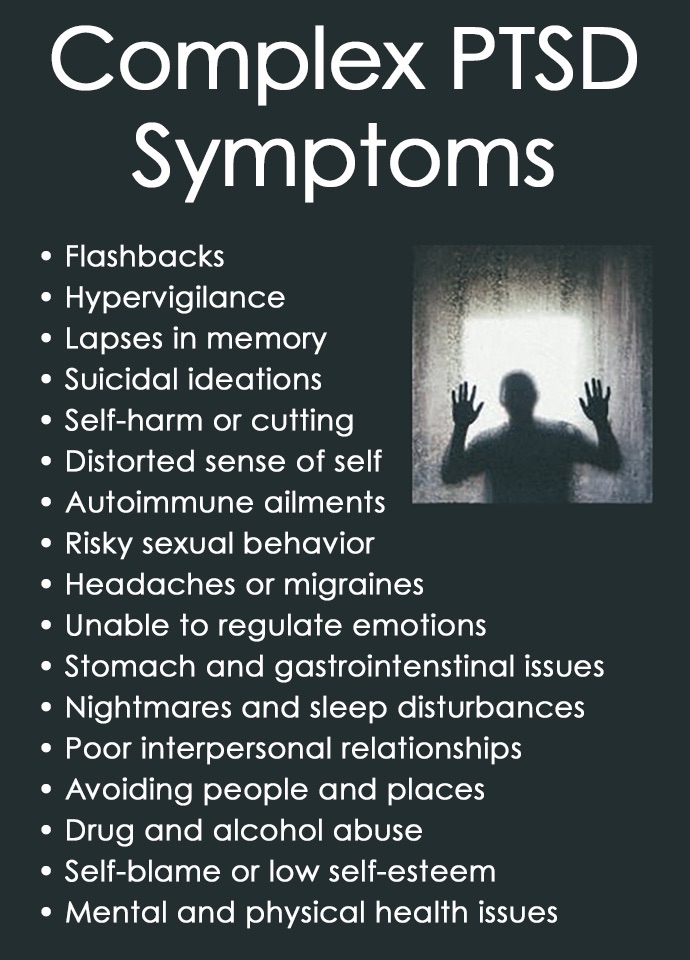
I’m not a psychologist, but I can’t help but wonder if what I’ve been carrying all these years is unprocessed CPTSD. The flashbacks, the hypervigilance, the emotional numbness, they don’t fit into neat boxes. They’re messy and painful, and they shape every interaction I have with the world.
But here’s the thing: CPTSD isn’t a failure of character. It’s a normal response to abnormal circumstances. It’s the body and mind trying to protect themselves after enduring the unbearable. And yet, rather than being offered care, I was given a label that feels more like a dismissal than a diagnosis.
The patriarchal system is designed to silence people like me. Survivors of sexual assault, especially women are doubted, disbelieved, and discarded. The narrative is so deeply ingrained that even when we speak, even when we shout, the world refuses to hear us.
Patriarchy doesn’t just harm women; it harms men, too. Male survivors are met with stigma, shame, and the societal expectation to “man up” and stay silent. The lack of support for survivors of all genders is staggering, a glaring indictment of a system that prioritises appearances over justice and healing.
I’m done waiting for someone else to fix this broken system. In the new year, I’m channelling my rage, my pain, and my determination into something tangible. My fight will be to secure funding for free care for survivors of sexual assault, regardless of gender.
The gaps in support are glaring:
1: Survivors are often left to navigate their trauma alone.
2: Access to mental health services is limited, expensive, and unevenly distributed.
3: There’s little acknowledgment of the long-term impact of sexual violence on survivors’ lives.
This has to change. Survivors deserve more than a family liaison officer checking in for a month. We deserve ongoing counselling, community support, and systems that prioritise our healing over bureaucratic convenience.
If you’ve ever felt dismissed, labelled, or ignored by the system, know this: You’re not alone. The world may not have listened to you, but I hear you. And together, we can fight for change.
To anyone reading this: Get angry. Get loud. Demand better for survivors. Whether it’s donating to organisations , writing to policymakers, or simply offering a listening ear to someone in need, every action counts.
The patriarchy may have tried to f*** me over, but I refuse to let it win. This is my story, my fight, and my call to arms.


 Bipolar Mum Journey
Leave a reply to Rochdalestu Cancel reply