Look, It’s never ideal for a woman to enter prison pregnant or give birth there, but it does happen and we need more balanced, compassionate press coverage to reflect that reality.
I don’t understand why there isn’t more coverage on what it’s actually like to give birth in prison, from women with lived experience. The media seems more focused on scaring pregnant women who are facing incarceration. Being pregnant in prison isn’t something to be afraid of. There is no chance another inmate would harm you while you’re expecting, it’s just female prisoner code. I felt completely safe during my pregnancy in prison. Was I stressed? Mildly, but I was far more stressed when I worked a demanding job up until I was eight months pregnant with my first child.
When you enter prison while pregnant, you receive a pregnancy pack, which includes extra items such as yogurt, fruit, and cereal. You’re also entitled to blue-top milk. You have regular midwife appointments and can attend the hospital for scans. When you go into labor, you’re escorted to the hospital, where you have access to all the same facilities and care as you would outside of prison. This includes a birthing suite, pain relief, and a birthing partner. The only difference is that two prison officers will be present in the birthing suite with you.
When it comes time to register your baby, a registrar visits the prison, and the address section on the birth certificate is filled out with a standard address rather than mentioning the prison. This ensures your child isn’t stigmatised in the future.
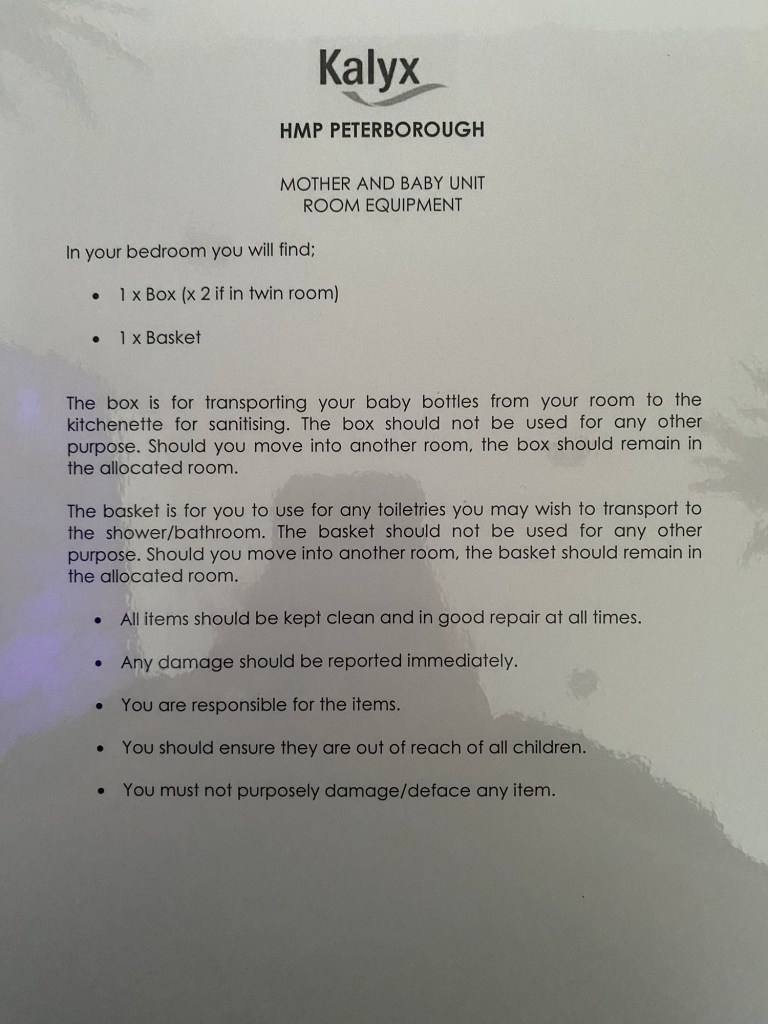
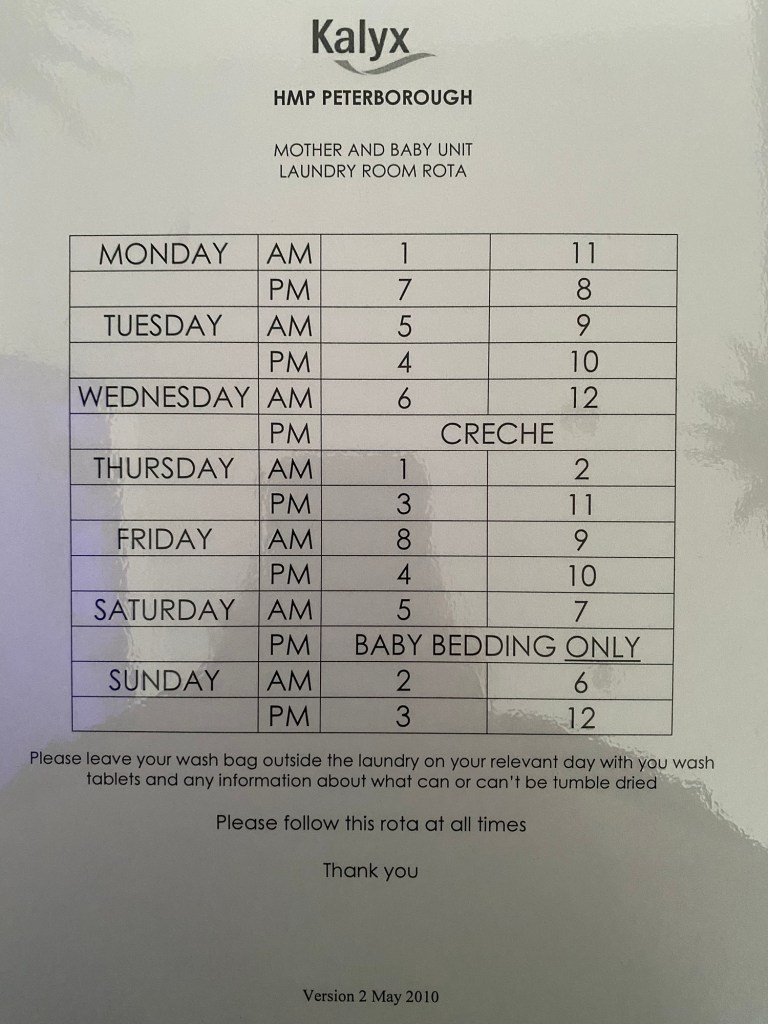
If you’re granted a place on the mother and baby unit, you’ll likely be pleasantly surprised. The unit has a well-equipped nursery, an outdoor play area, a TV lounge with sofas, a television, and toys. Fresh food, including meat, fish, fruits, and vegetables, is provided so you can cook for your baby in the large food prep kitchen. There’s also a smaller kitchen upstairs where you can prepare bottles and warm food. Laundry facilities with washers and dryers are available to clean your baby’s clothes, and a spacious dining hall is provided for mealtimes.
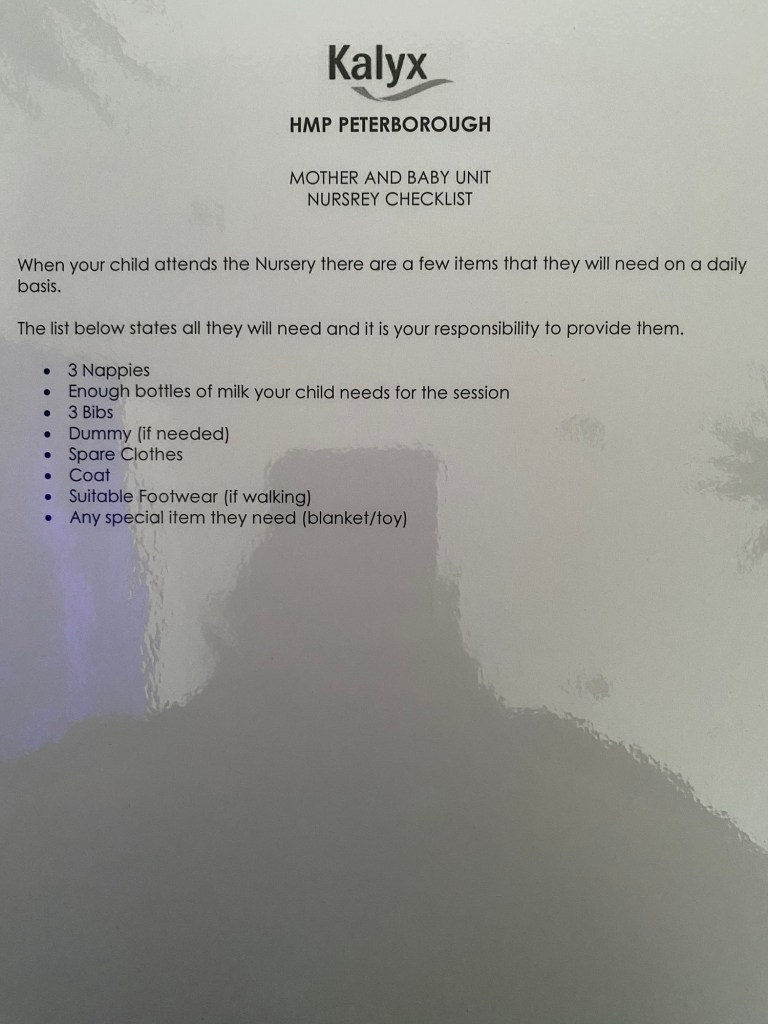
Once your baby is six weeks old, they can attend the nursery for two hours in the morning and two hours in the afternoon while you go to your job placement. The nursery staff also take babies on trips to local parks and cafes and organise engaging activities such as messy play, crafts, and storytime.
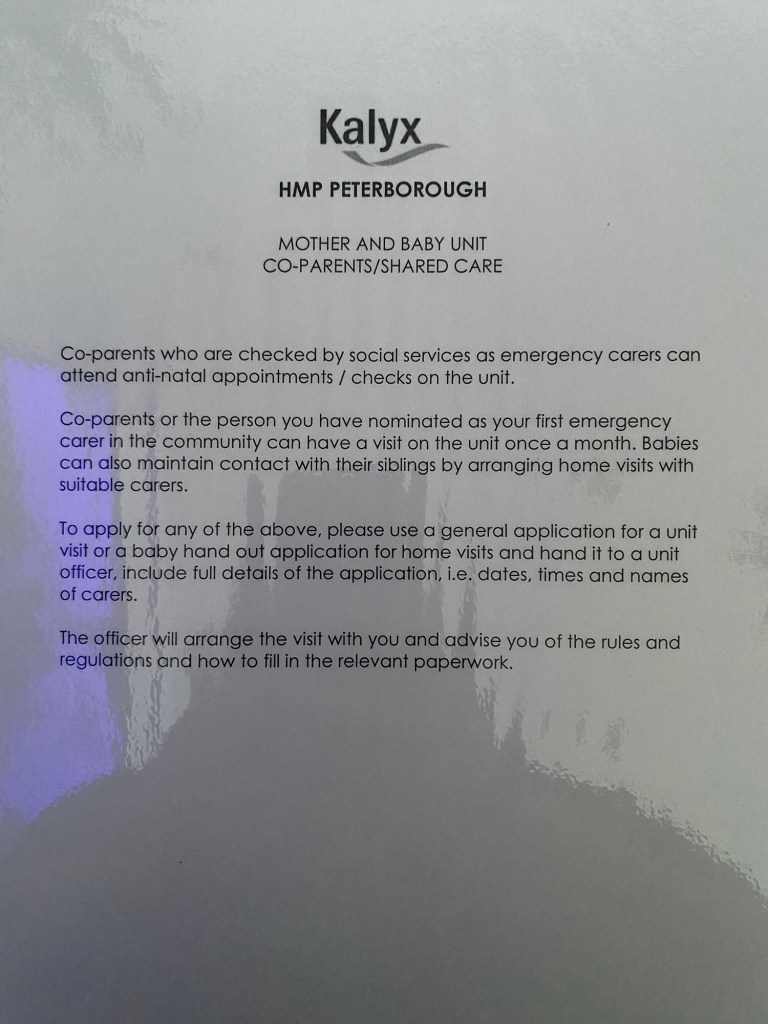
The unit includes two large bathrooms with bathtubs and a separate shower room where you can shower while your baby sits in a buggy. Family visits can take place on the unit, and if you need to use the main visitors’ hall, the prison goes into full lockdown to ensure you can safely escort your baby there.
You can purchase baby items from a separate canteen sheet. There is also a large baby clothes cupboard where you can exchange clothing if your baby outgrows them. If you need to claim benefits, the money is sent directly to the prison and can only be used for your baby, not for yourself. Foreign nationals, if incarcerated on immigration charges, receive all necessary baby items for free.
Mothers can also attend chapel (Sunday worship) with their children. A prison officer remains with you, and mothers and babies are seated at the back. Other prisoners are instructed to keep their distance, though I personally didn’t mind when others wanted to bless my child. I cannot stress enough how safe the babies are in prison.
If you’re granted ROTL (Release on Temporary Licence), you can take your baby out for the day, staying local to the prison. Your spouse or a family member, once approved by social services, can take your baby for overnight visits on weekends. You’re allowed to keep your baby with you until they are 18 months old, by which time most mothers have completed their sentences. In some cases, mothers are permitted to keep their child until they are two years old or slightly older.
You receive more support in prison than you would outside. Every mother must complete a course called “Strengthening Families and Communities” to develop parenting skills. As someone who grew up in a broken home and survived a domestic violence relationship, I was incredibly grateful for the parenting and life skills this program provided.
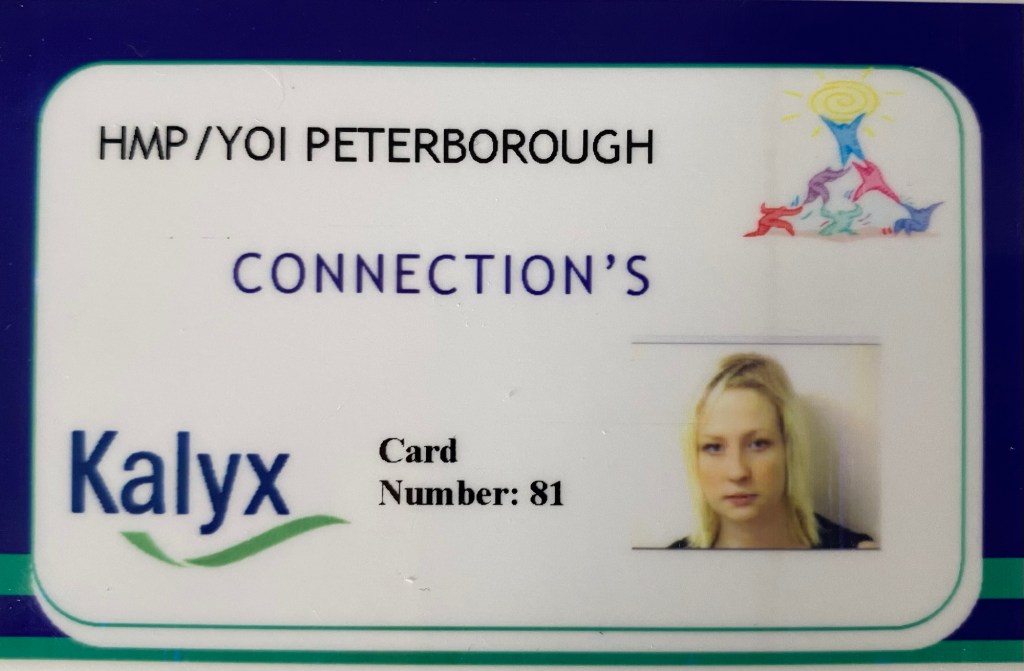
I cannot fault HMP Peterborough for the care they provide to the children.

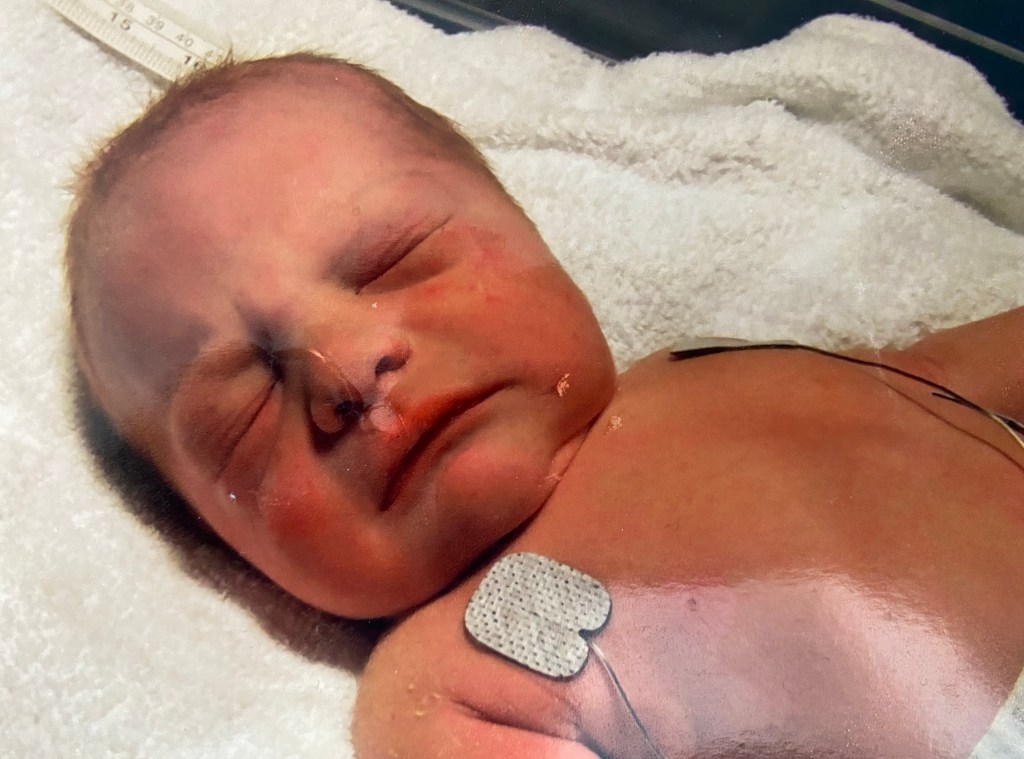
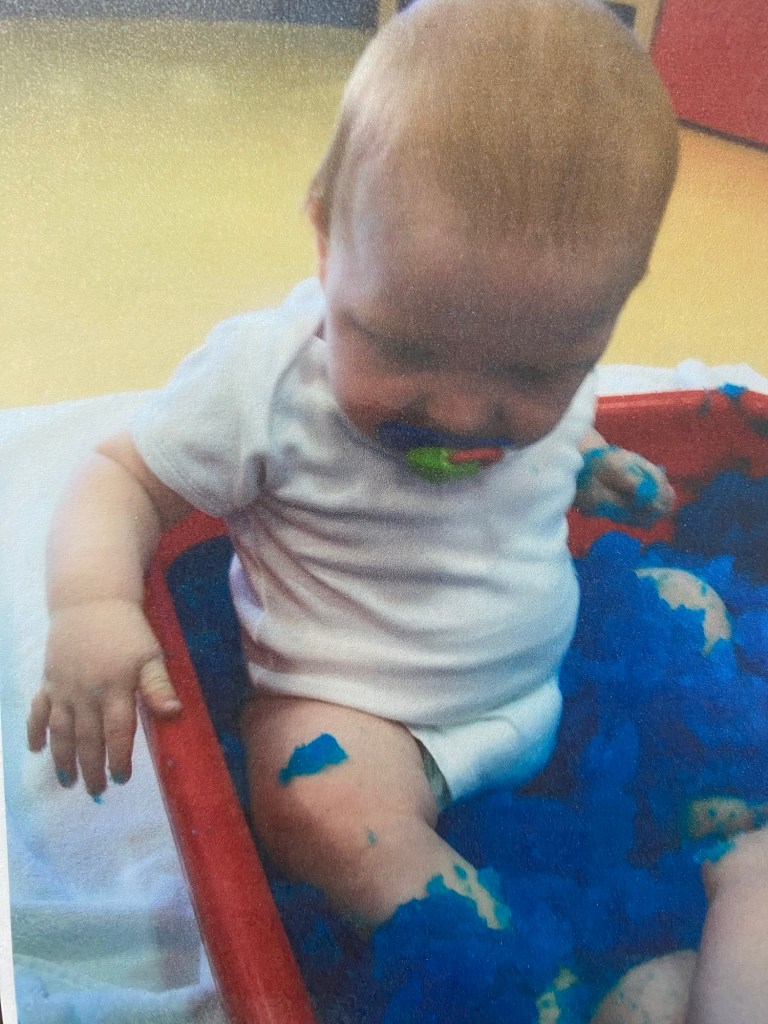

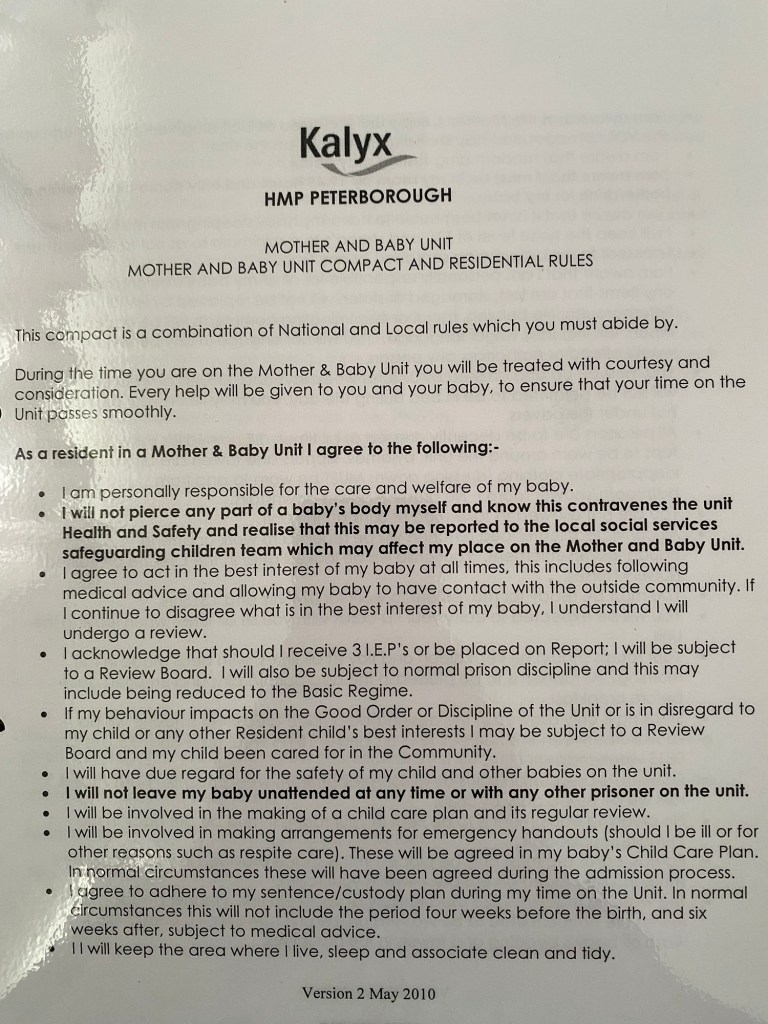
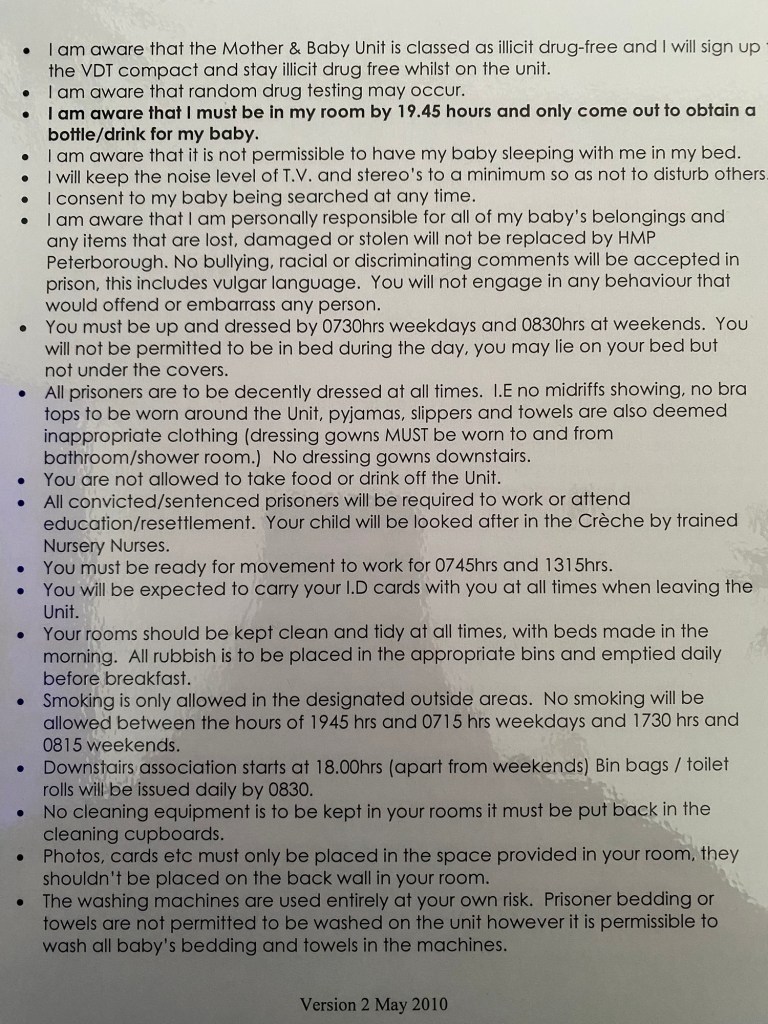
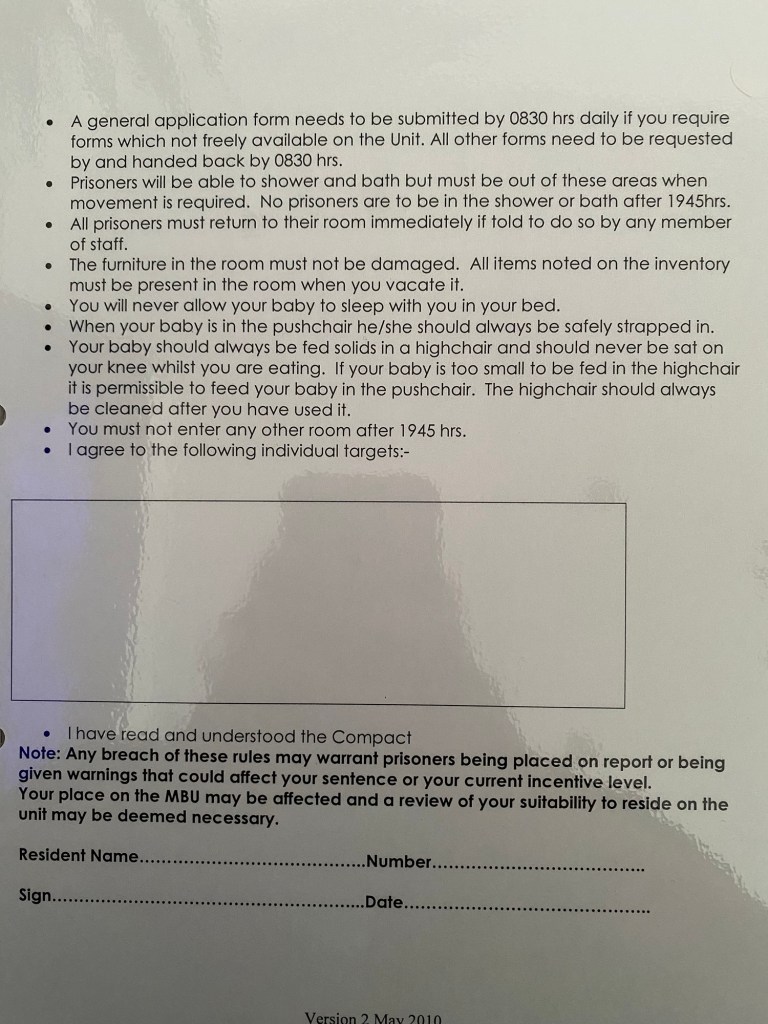
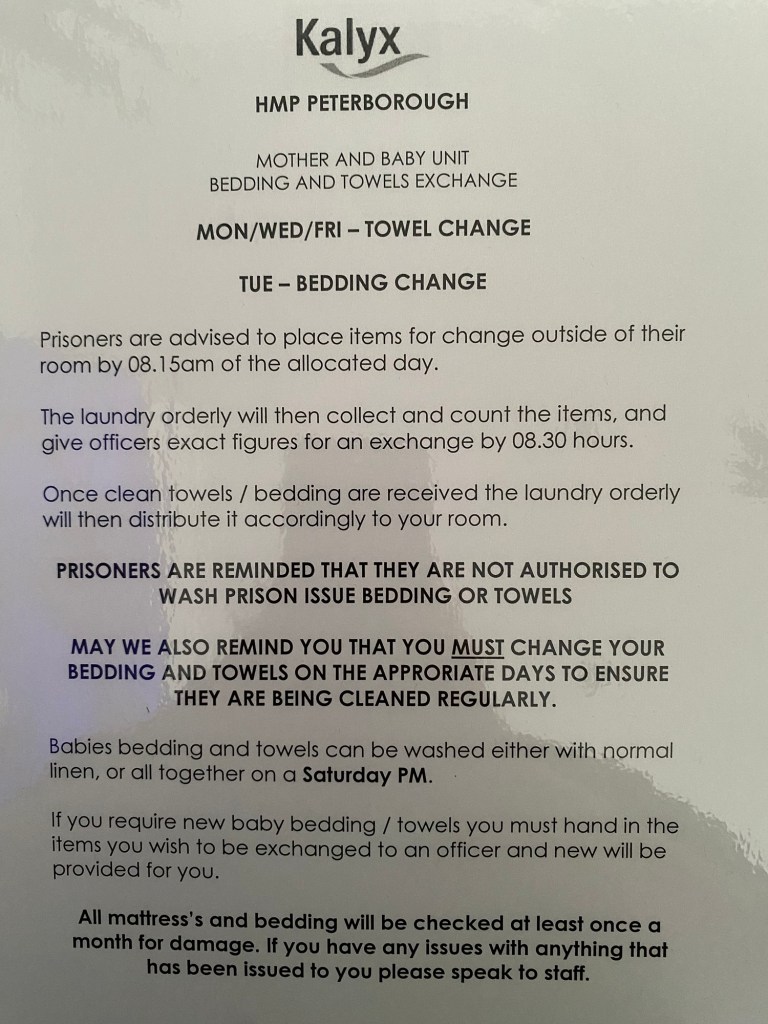
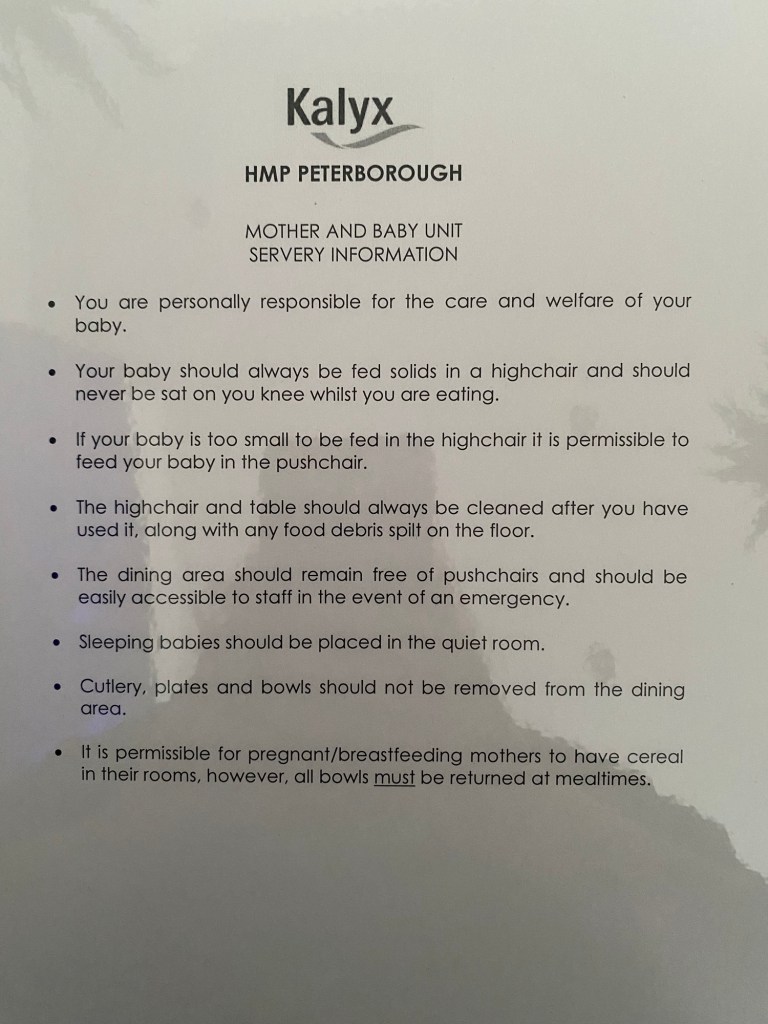
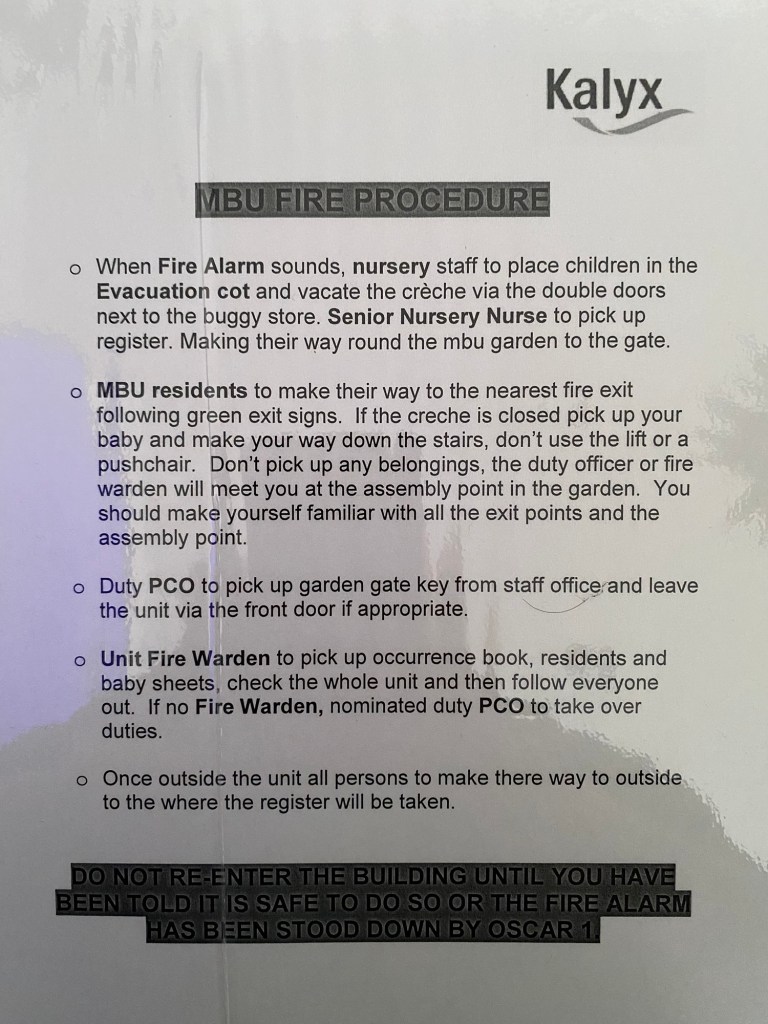
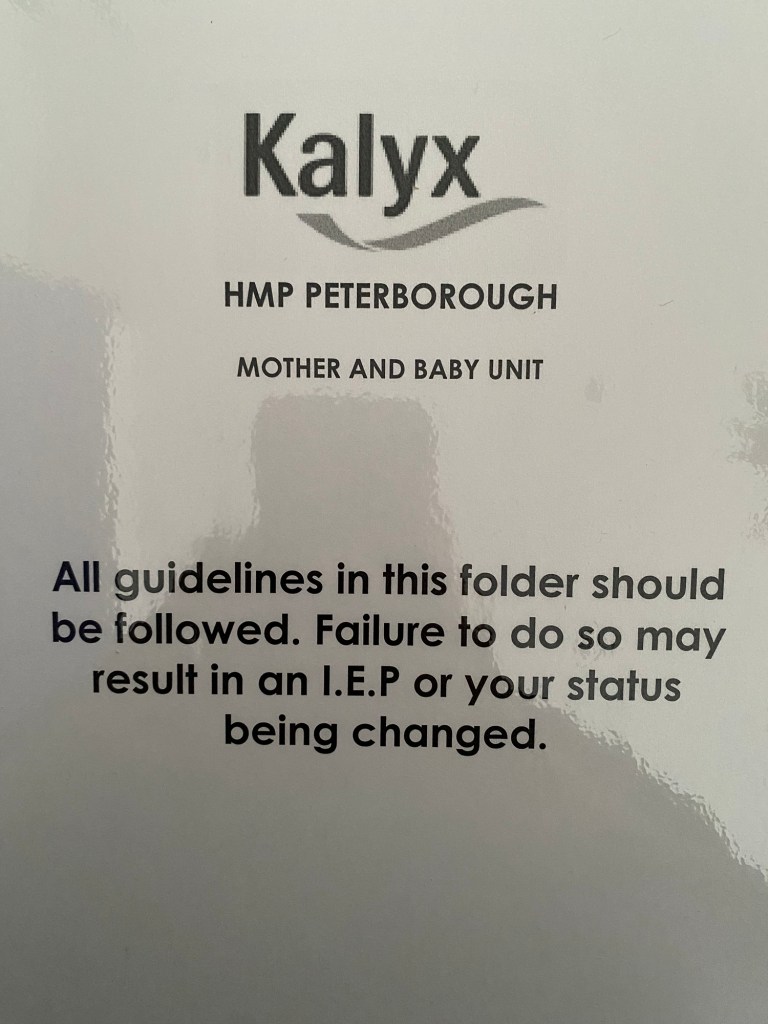
HMP Guidelines to raising your baby in prison.


 Bipolar Mum Journey
Leave a comment