A Reflection on Aileen Wuornos, Wade Wilson, and My Own Story. I also want to be clear this isn’t about justifying violence or murder. It’s about trying to understand. Looking at the lives of Aileen Wuornos, Wade Wilson, and my own, I want to explore how trauma, mental health/illness, and survival can push people to the edge. This isn’t about excuses, but about digging deeper to see the person behind the actions.
When we look at people who kill, the world tends to split them into monsters and victims. But for some the truth often sits somewhere in between the places where trauma, fear, and desperation meet bad choices and broken systems.
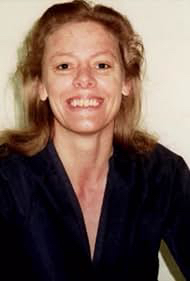
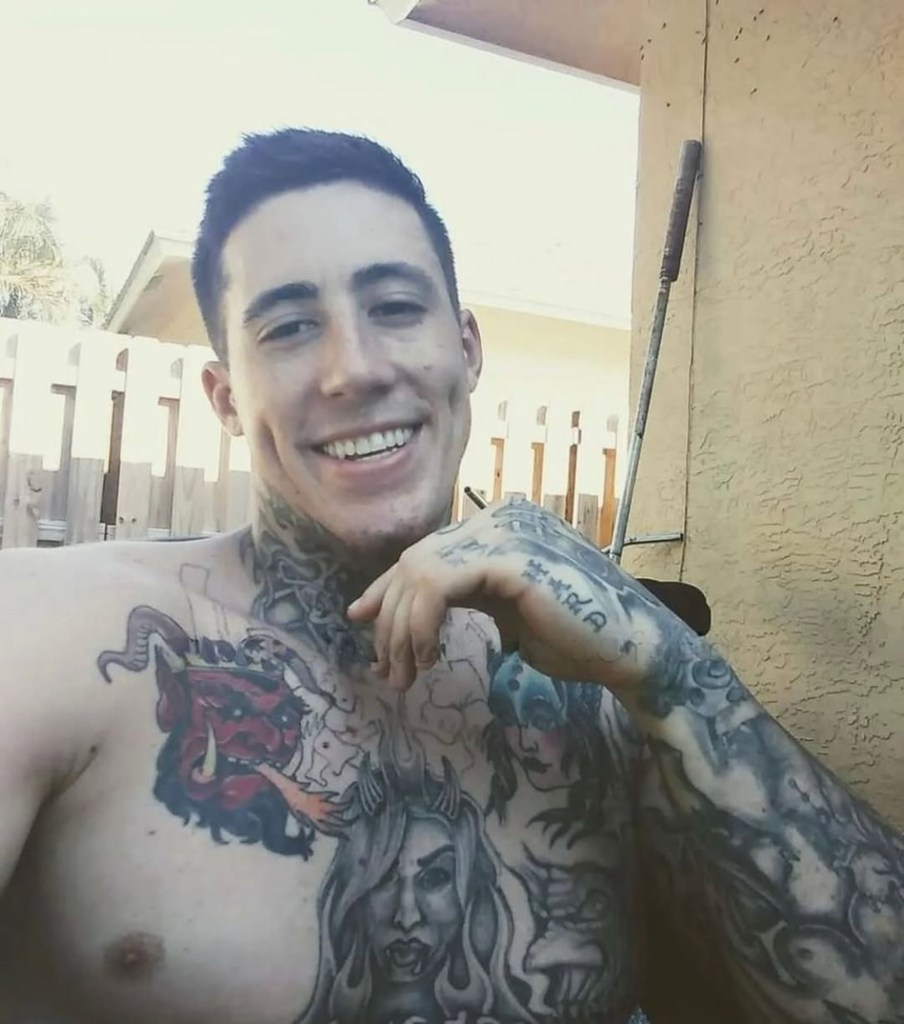
I’ve been exploring two popular cases and comparing them to my own. Aileen Wuornos and Wade Steven Wilson. On paper, they’re both killers. Yet beneath that label lies a deeper question why do some people end up there, and what role do trauma, rejection, and mental illness play?
And then there’s my own story one that might have taken the same tragic path, had circumstances been just slightly different.
Three Lives, Three Worlds
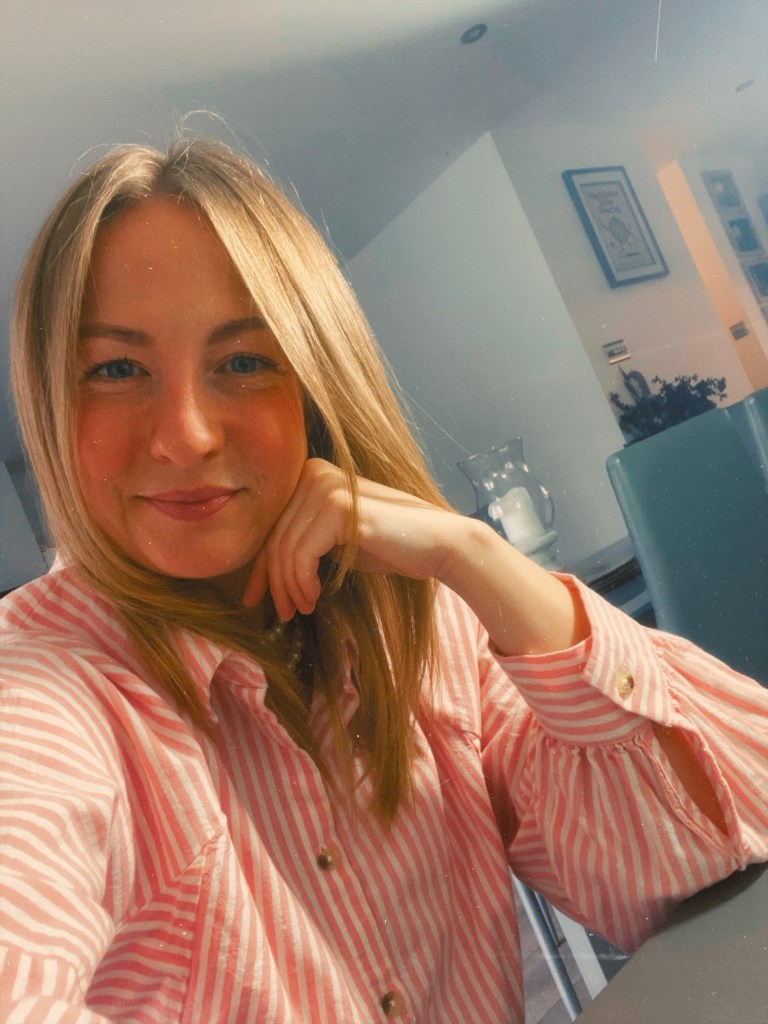
This section explores three people: Aileen Wuornos, Wade Steven Wilson, and myself, Gemma Smith (Bipolar Mum Journey).
Three very different paths. Three very different motives.
Yet all shaped by trauma, rejection, and systemic failures.
Background
- Aileen Wuornos: Endured severe childhood abuse and homelessness, forced into survival sex work.
- Wade Steven Wilson: Abandoned at birth. Grew up amid instability and violence; long-term substance misuse and criminal history.
- Gemma Smith: Abandoned at birth. Grew up amid instability, violence and substance misuse. Experienced repeated sexual assaults & rape in her teens and entered a cycle of coercive and violent relationships. Extensive criminal history and suffered sexual exploitation in the system.
Timeline of Trauma
- Aileen Wuornos: Abuse and neglect from early childhood; repeated exploitation, sexual assault and rape as a teenager and beyond.
- Wade Steven Wilson: Abandoned from birth. Early criminal behaviour escalating into adult violence.
- Gemma Smith: Abandoned at birth. Sexual assault at sixteen, further gang rape at seventeen (case acquitted), a string of abusive relationships, one that later resulted in her own criminal conviction. Sexual exploitation in the prison system.
Nature of Violence
- Aileen Wuornos: Violence against men, framed as self-defence and revenge for lifelong victimisation.
- Wade Steven Wilson: Violence against women. Likely came from misogyny, entitlement and control, but also from deep pain caused by rejection from both his parents.
- Gemma Smith: Violence in self-defence against an abusive partner, an act born of fear and survival rather than aggression.
Psychology/Diagnosis
- Aileen Wuornos: Borderline and antisocial personality disorders; chronic trauma and PTSD.
- Wade Steven Wilson: Depression, bipolar-type symptoms, neurocognitive impairment; possible antisocial traits.
- Gemma Smith: Bipolar disorder and antisocial personality disorder diagnosed in her late twenties; ongoing recovery.
Motivations
- Aileen Wuornos: Survival and retaliation.
- Wade Steven Wilson: Power and control.
- Gemma Smith: Self-protection after years of abuse and systemic failures.
Legal Outcome
- Aileen Wuornos: Executed in 2002.
- Wade Steven Wilson: Sentenced to death in 2024.
- Gemma Smith: Served a 2.5 year custodial sentence for GBH with intent, later became an advocate for systemic failures.
Reading the Pattern
Aileen’s violence came from fear turned outward.
Wade’s violence likely came from entitlement and control but also from deep pain caused by rejection from both his parents.
My violence came from pure survival instinct in a moment of terror.
Each story reveals how trauma, rejection, and mental-health struggles can push people in vastly different directions.
My case, unlike the others shows that trauma-driven violence can become a turning point toward healing, accountability, and advocacy rather than lifelong destruction.
My Own Story: Gemma Smith
(Bipolar Mum Journey)
In 2009, after years of domestic abuse, I found myself facing what felt like an impossible choice. Fear ruled every part of my life, and one afternoon that fear became action.
I was arrested for attempted murder and later spent time in prison for my crime. When I was released, I tried to rebuild, but it took another four years before I finally received diagnoses of bipolar disorder and antisocial personality disorder.
Those labels helped explain my extremes; the chaos, the impulsivity, the numbness yet they never fully answered why. I began looking at the pathology of criminals, particularly women to try and determine how much was mental illness, how much was trauma and similarities between myself and high profile killers like Wuornos and Wilson not as sensational cases, but as mirrors for my own history of abandonment, trauma, and survival.
I was abandoned at birth while my bio parents kept my siblings. That early rejection echoed through everything, how I loved, who I trusted, and how I coped. Trauma became the lens through which I saw the world.
What These Stories Teach Us
Trauma is the root, not the excuse. It moulds the brain, the emotions, and the choices we think we have. Mental illness doesn’t make someone violent. It can make life harder to navigate, but violence grows out of fear, control, and social neglect. Early intervention changes outcomes. With safety, therapy, and proper support, many tragedies could be prevented.
Why I Write About This
Because I know how close the edge can feel.
Because I’ve lived through the same fear that turns to fight.
And because it could have been me sitting behind bars for murder if that night had ended differently.
My story isn’t about justifying what happened, it’s about understanding why it did. If we don’t ask those questions, we’ll never learn how to stop the next tragedy, for women like me or for the people we once loved.
“Trauma doesn’t excuse the violence but it explains the path that leads there.”


 Bipolar Mum Journey
Leave a comment