I feel like I keep saying the same thing, but I’m not sure people truly understand why the patriarchy pathologise individuals. As many of you know, I’ve been diagnosed with Bipolar Disorder and Antisocial Personality Disorder. In other words, I’ve been labeled a sociopath with a mood disorder on top. However, I challenge this diagnosis because I don’t fully meet the criteria for sociopathy. Do I exhibit antisocial traits? Absolutely and unapologetically.
But let’s be clear: my so-called “antisocial” behavior stems from the fact that I refuse to conform to the narrow definition of what a woman is supposed to be. The patriarchal ideal dictates that women should be quiet, pleasant, feminine, and above all, submissive in all areas. We’re expected to endure mistreatment, remain silent when monsters violate our boundaries, and accept control without resistance. That’s never going to happen with me. I enjoy sex, when it’s consensual. But if there’s coercion, manipulation, an imbalance of power or violence, I will call it out every time. No one, regardless of gender, should have to experience sexual violence, be ostracised by their community or branded a liar in court for seeking justice.
If you were raped, vilified, ostracised, and blamed for your own rape, wouldn’t that impact your mental state? My response to these experiences has been labeled “antisocial,” and in many ways, I embrace that. If being outspoken, strong-willed, and even physically defensive when necessary to protect myself or my loved ones makes me a sociopath, then so be it.
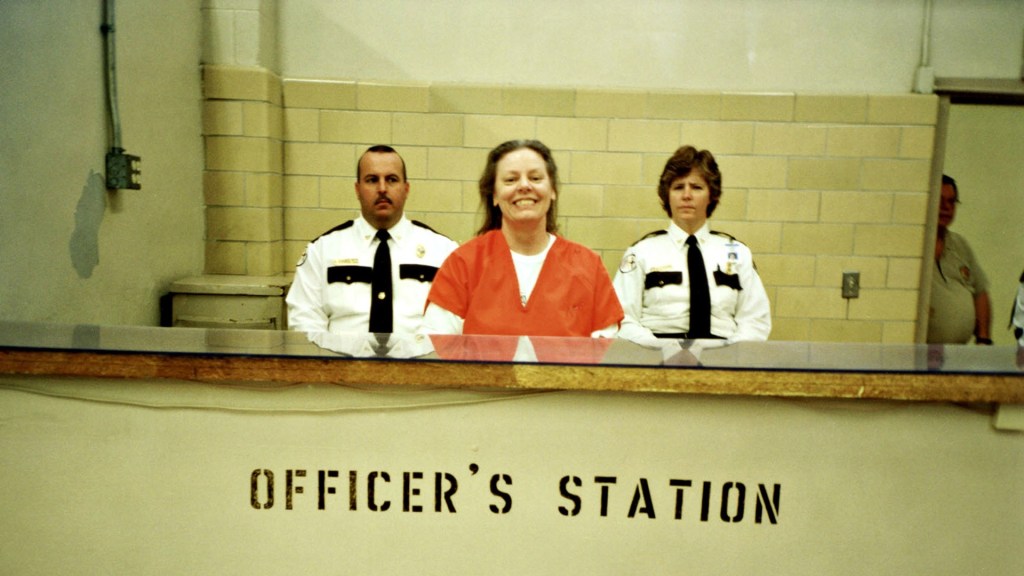
Examining the Case of Aileen Wuornos
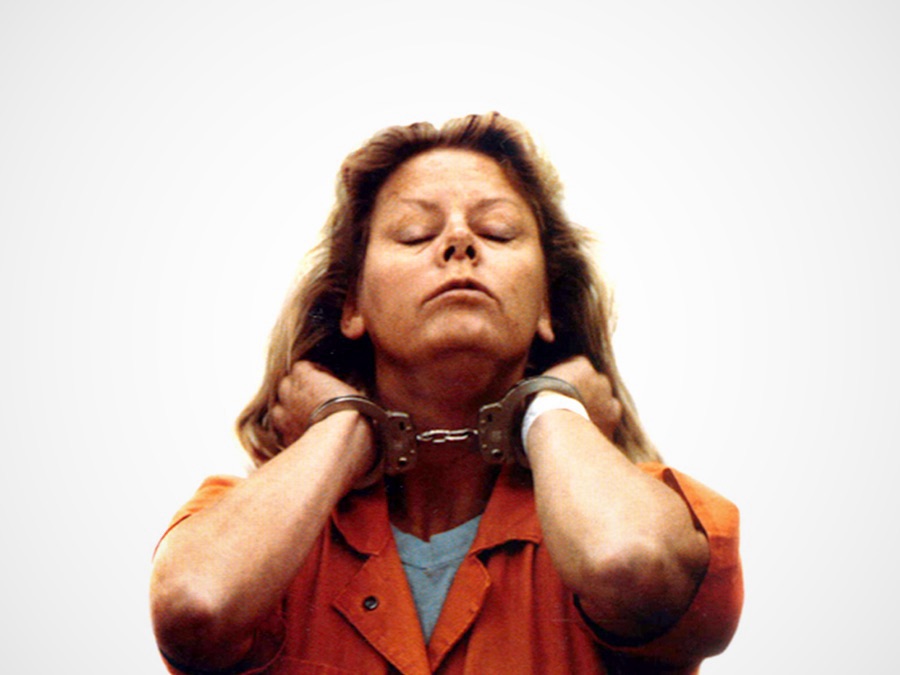
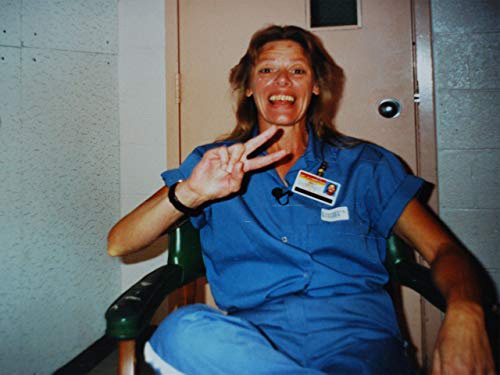
Recently, I studied the case of Aileen Wuornos, a woman diagnosed as a sociopath, to see if we shared any similarities. Do I condemn her for killing the men who raped her? Not at all. Do I believe she was subjected to lifelong abuse and developed unhealthy coping mechanisms as a result? Absolutely. Do I think she was a sociopath? Quite possibly, because her actions followed a repeated pattern, and she seemed to take satisfaction in evading consequences.
Would I kill a man who raped me if I had a gun? Possibly. Would I make a habit of it? No. There’s a difference between self-defense and premeditation.
However, something about Aileen Wuornos’ confession to an English journalist doesn’t sit right with me. I get the sense that she was desperate to die as soon as possible and thought that by admitting the murders were driven by malice rather than self-defense would speed up the process.
I believe she wanted a quick exit because of the poor treatment from prison staff. It was easier to play the role of the monster and accept execution rather than go through the exhausting fight of appeals, only to die anyway.
Case Study: Aileen Wuornos and the Roots of Her Sociopathy
Background and Early Life:
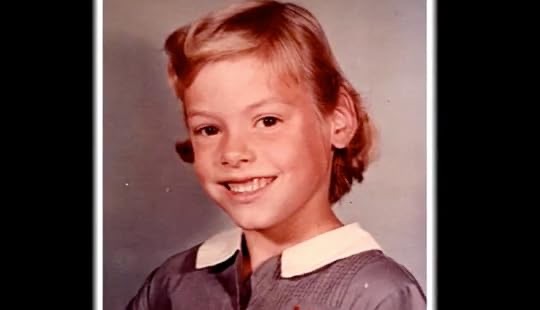
Aileen Wuornos was born in 1956 into a deeply dysfunctional family. Her father was a convicted child molester who spent most of his life in prison, and her mother abandoned her and her brother when they were young. Raised by abusive grandparents, Wuornos was exposed to violence and neglect from an early age. By the time she was a teenager, she had experienced repeated sexual abuse, including allegations that her own grandfather assaulted her.
She was homeless by 15, engaging in forced and coercive sex work to get by. With no formal education or support system, her life spiraled into a pattern of instability, crime, and further victimisation. Her early years were defined by extreme trauma, which likely played a major role in shaping her psychological state.
Criminal Behavior and Diagnosis of Sociopathy
Wuornos was convicted of murdering seven men between 1989 and 1990, all of whom she claimed had either raped or attempted to rape her while she was working as a sex worker. Initially, her defense was self-defense. However, as the killings continued, prosecutors argued that she was motivated by robbery rather than fear. I dispute this, I think some men did try to rape her or evade payment therefore, she got into a bad habit of seeking immediate revenge if she felt threatened. There’s only so much a woman can take before she snaps. She also had no other means of getting by, driven by a toxic lesbian relationship to make money.
Forensic psychologists diagnosed Wuornos with Antisocial Personality Disorder and Borderline Personality Disorder. Her antisocial traits included a lack of remorse and impulsivity. Unlike someone who kills in self-defense once and then seeks safety, Wuornos continued to engage in violence, showing a pattern of behavior characteristic of sociopathy.
However, it’s important to acknowledge that her actions didn’t happen in a vacuum. She was a product of extreme trauma, systemic failure, and a society that exploited and discarded her. Rather than receiving help, she was criminalised and executed in 2002.
Conclusion
Wuornos was undeniably a sociopath by clinical definition, but that diagnosis doesn’t exist in isolation from her life experiences. Trauma and oppression shaped her into the person she became. While society was quick to label her a monster, few stopped to consider the circumstances that led to her crimes. Her case is a reminder of how systemic abuse can push someone into survival mode, with devastating consequences.

 Bipolar Mum Journey
Leave a comment